
Blankiet Estate

Blankiet Estate
Napa Valley, California, USA
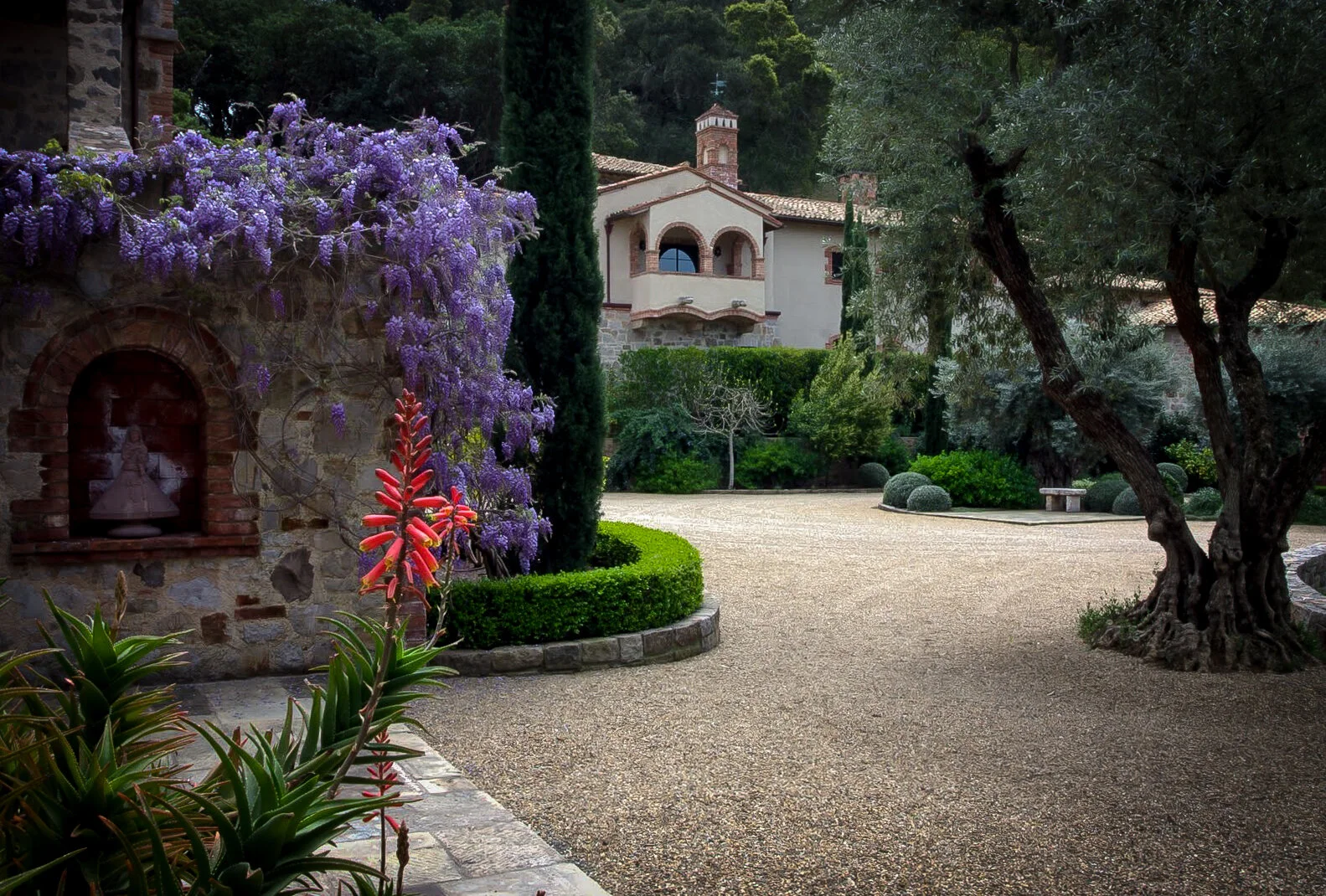
Owners Claude and Katherine Blankiet spent many years searching for a specific hillside vineyard on the western side of Napa Valley. Finally, in 1996 they purchased 50 acres of land that previously was part of Domain Chandon’s holdings but was never planted. This is prime vineyard land; perhaps it is surprising that it was never developed as such considering it sits directly west of Dominus Estate and one of the Napa Valley’s most historic vineyard sites, Napanook Vineyard. The Blankiets brought in Helen Turley and David Abreu to help them develop the property and named the vineyards Paradise Hills.
Blankiet Estate has unique geological characteristics as it is divided by two seismic sub-faults coming from the Mayacamas Mountain range. The land on the north side of the canyon is made of andesite rocks covered by white volcanic ash. Cabernet Sauvignon was planted there on porous and nutrient-poor soil. The 25 years old vines have developed a deep root system that brings astonishing complexity to the wines made from these grapes. The opposite side of the dividing canyon is completely different: The mountain is made from basalt, decomposing into sandy soils, while in the deepest part of the canyon, the basalt is covered by several feet of iron-rich clay. The Merlot has been planted on these slopes. A constant flow of cold air coming from the San Francisco Bay keeps the Merlot vines five degrees cooler than the Cabernet Sauvignon vineyards.
The best geologist from Austria was commissioned to excavate several soil slabs five feet deep to demonstrate the astonishing underground complexity of the vineyards. They are displayed inside the winery.
Claude calls his vineyard “a puzzle of microclimates” and terroir. It is a remarkable property where 100 points Cabernet Sauvignon are produced next to 100 points Merlot wines.
AVAILABLE WINES




Address: 2358 California Dr, Yountville, CA 94599, United States
Website : https://www.blankiet.com



Blankiet Estate
Blankiet Estate
Rive Droite 2016
From their organically farmed Paradise Hills Vineyard Estate, this is a blend of 95.5% Merlot and 4.5% Cabernet Franc. It aged 19 months in French oak.
“The 2016 ‘Rive Droite’ is made from predominately Merlot with a touch of Cabernet Franc and it is a total beauty that exudes striking class and refinement. It instantly begins to impress with its stunning aromatics of red and dark currants which are woven together with fresh spring florals, spices, licorice, herbs and tobacco to form the gorgeous perfumed nose. On the palate this is all about sheer elegance and structure, as the beautifully pure ripe dark fruits are wound tightly with beautifully polished tannins. It goes on to display incredible precision and balance with gorgeous underlying acidity adding a lovely sense of freshness as it leads up to the incredibly long finish. The 2016 will require some significant cellaring before it hits its stride, but that being said, it is one of the finest and most sophisticated Merlots being made in all of Napa, and it possesses all the characteristics to age gracefully for decades to come.” - 100 points, J. D’Angelo, International Wine Report, May 2019.
“The 2016 Rive Droite Paradise Hills Vineyard, Blankiet's Merlot-based wine, is magnificent today. Merlot can be very quirky in its youth, especially when just bottled, but the Rive Droite is incredibly expressive, which provides a great opportunity to see its potential. Rich and boisterous in the glass, with tremendous textural resonance, the Rive Droite is gorgeous. Readers should plan on cellaring the 2016 for at least a handful of years. I don't see the 2016 ready to offer its best drinking any time soon. Drink 2024-2036.” - 98 points, Antonio Galloni, Vinous, December 2018.
Read more about Blankiet Estate
Vintage: 2016
Bottle Size: 750 mL
Bottles per Case: 6
Price per Bottle: $350
Style: Still
Region: California
Appellation: AVA Napa Valley
Country: USA
Grape: Merlot, Cabernet Franc
Colour: Red
Vegan: No
Organic: Yes
Biodynamic: No
Natural: No
Low Intervention: No