Cantine Madonna delle Grazie
Basilicata, Italy
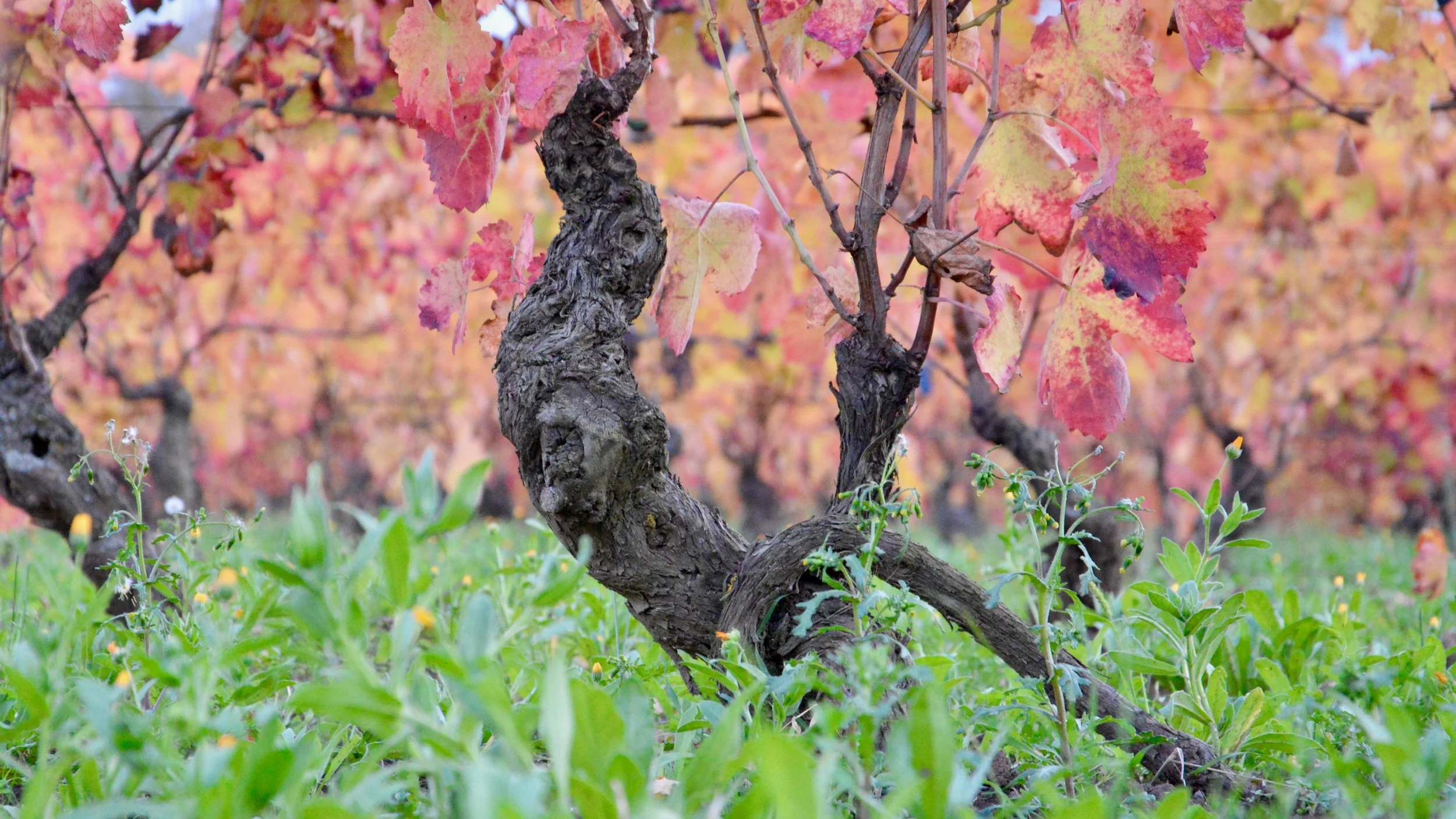
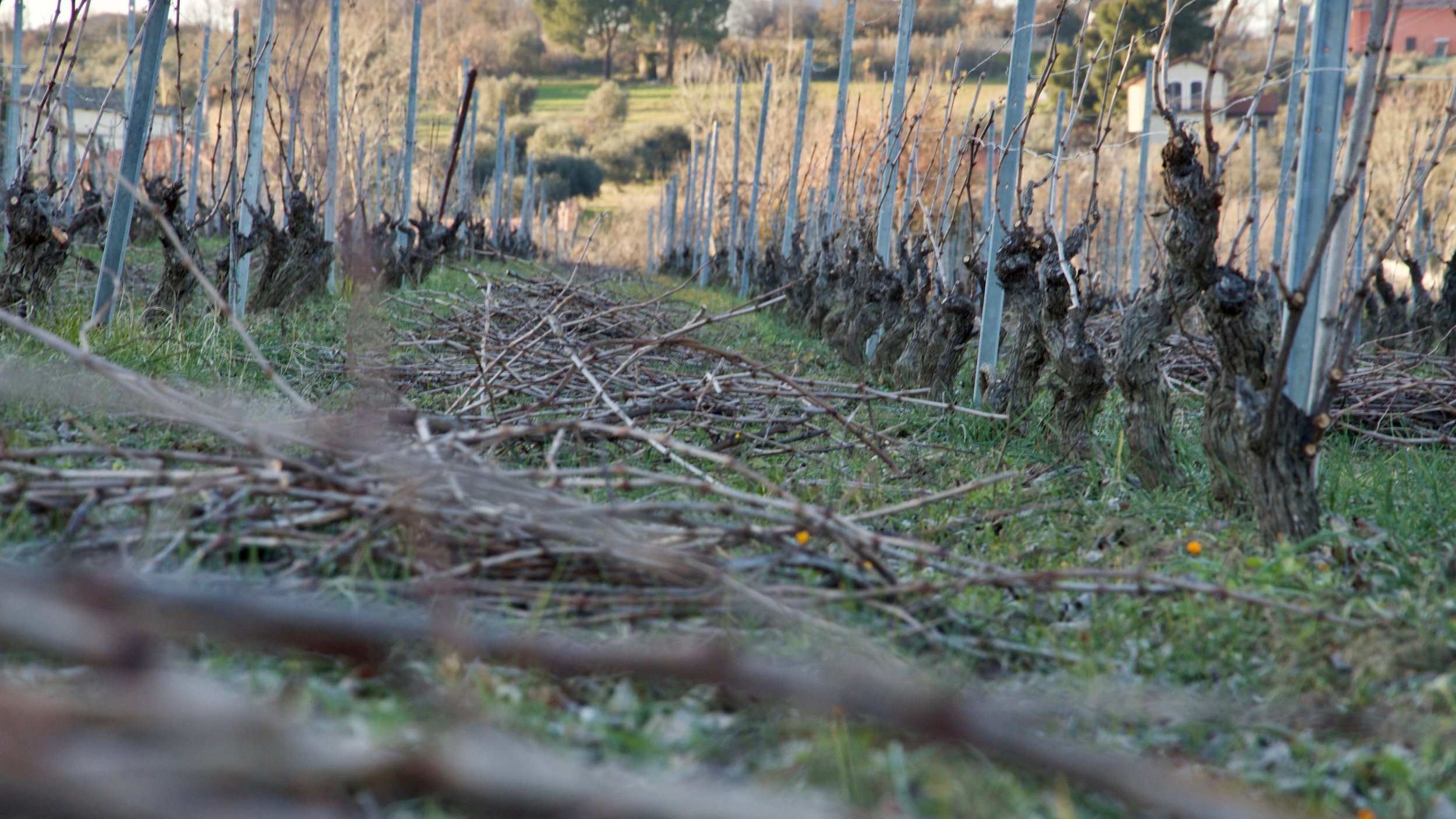
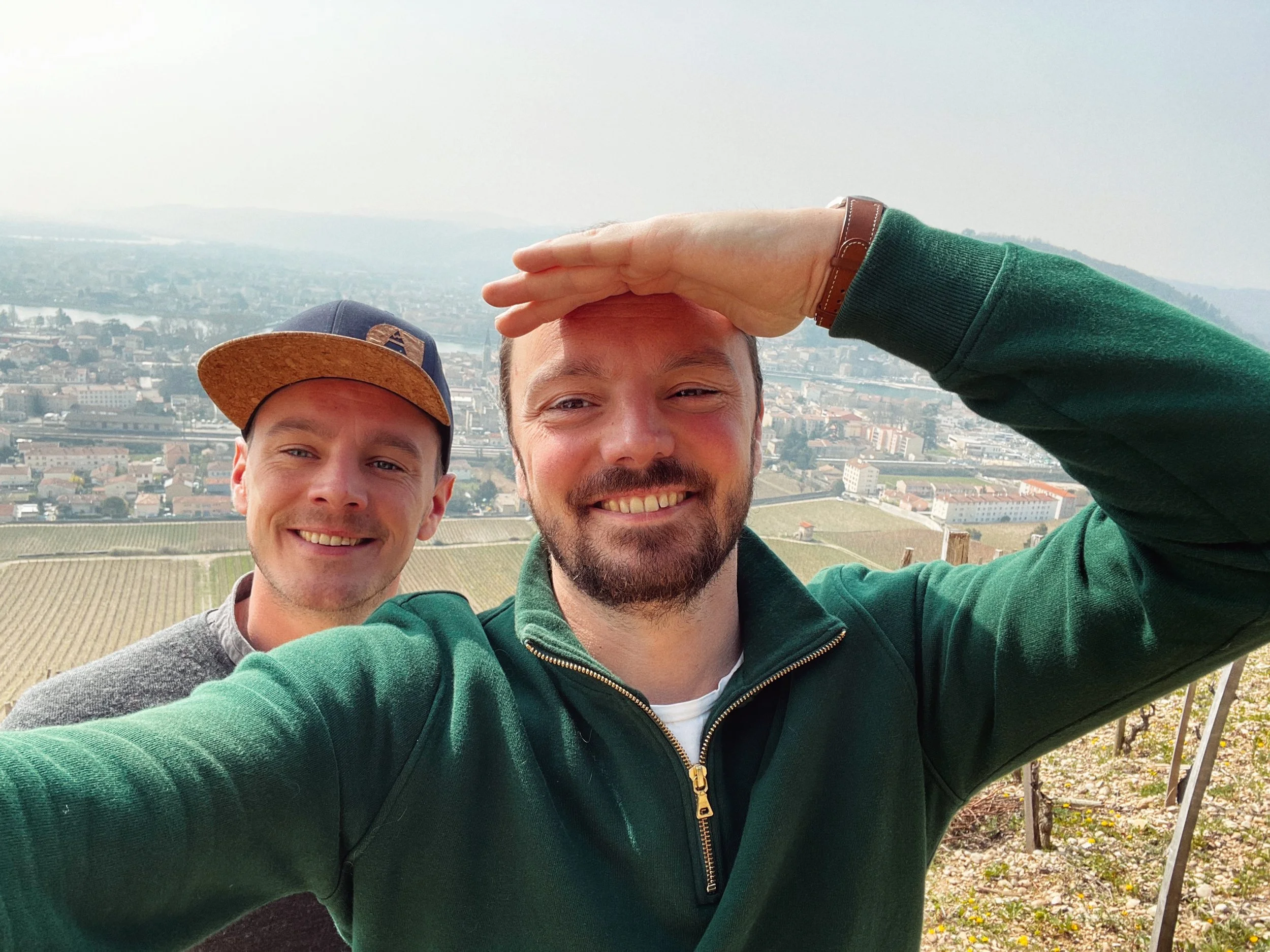
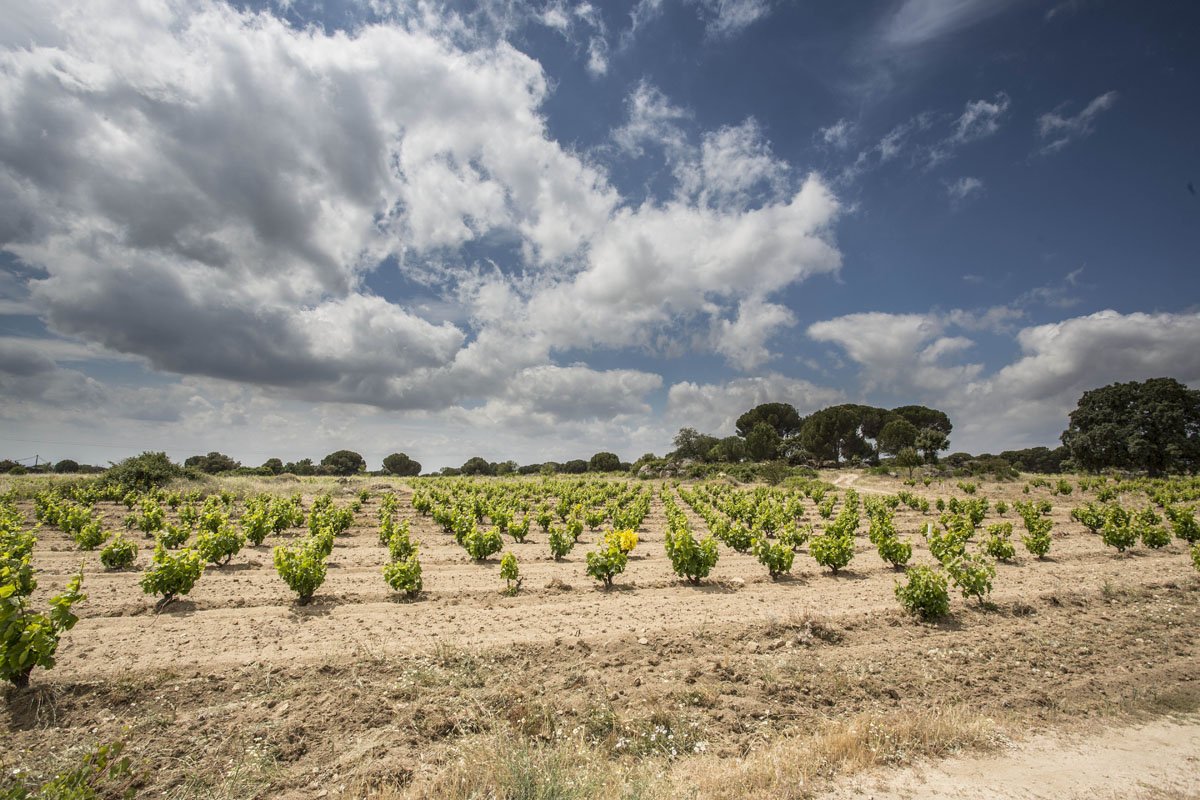
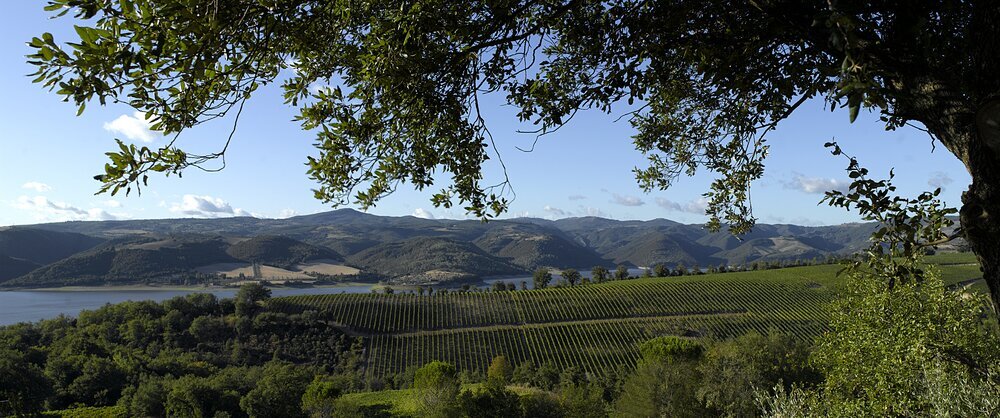
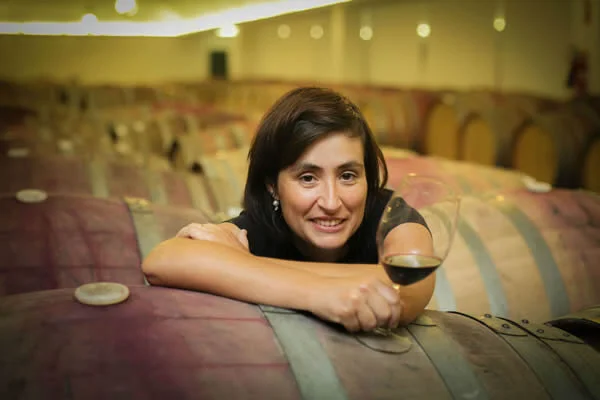
Giuseppe Latorraca's family have farmed the vineyards in the village of Venosa since the early 1900s, selling the grapes and wines to locals and cooperatives. In 2003, Giuseppe decided he wanted to protect and celebrate his old Aglianico vines, and along with his wife and sons, built a winery near the 16th century Madonna delle Grazie monastery. They decided to name their winery after the historic site. Today they organically farm 8.5 hectares of Aglianico on these volcanic hills.
AVAILABLE WINES
Address: 85029 Venosa (PZ), Basilicata, ITALIA
Website : https://www.cantinemadonnadellegrazie.it
FEATURED PRODUCERS
Cantina del Pino is perched atop the hill in Barbaresco, overlooking the Ovello vineyard, and has been part of the Vacca family for over a century.
Etienne and Antoine, sixth-generation winemakers, are deeply committed to passing on living soils, old vines, and preserved landscapes to the next generation.
Thibault Ducroux is one of those winemakers who has been enticed by the vine from practically a toddler’s age: the son of a Beaujolais grower, he recalls how quickly he became passionate while learning the basics of the trade in his father’s cellar.
Alberto Pedrón comes from a long line of vine growers in Los Pedrones, a village of fewer than 200 inhabitants in the comarca of Utiel-Requena, Valencia.
Located in Combe de Savoie, on the foothills of the Massif des Bauges, Domaine Vendange stretches over 10 organically farmed hectares, on south facing slopes of youthful glacial till / limestone scree.
Created in 2017, Benjamin Passot today owns more than 3.5 hectares of vines in 5 crus: Juliénas, Moulin à vent, Morgon, Chiroubles, Chenas.
Casal de Ventozela is located in the Vinho Verde Region, one of the largest and oldest wine regions in the world, and for almost 40 years it has been a family business.
Las Moradas de San Martín was founded in 1999 with the intention to recover old vines from Garnacha and also Albillo Real, a white variety traditionally grown in the area but now rarely found.
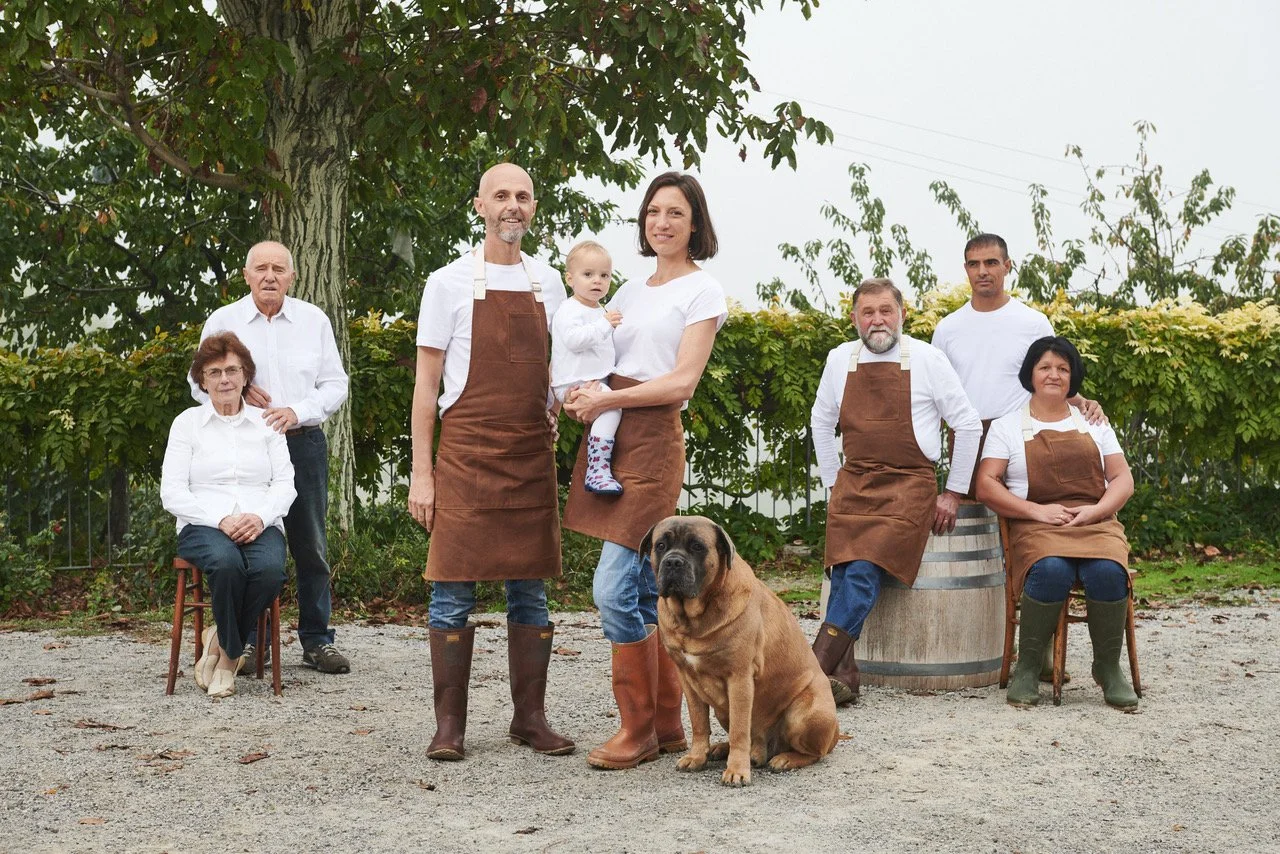
Giuseppe Latorraca's family have farmed the vineyards in the village of Venosa since the early 1900s, selling the grapes and wines to locals and cooperatives. In 2003, Giuseppe decided he wanted to protect and celebrate his old Aglianico vines, and along with his wife and sons, built a winery near the 16th century Madonna delle Grazie monastery.
Terra de Asorei is a family winery from Galicia with more than 60 hectares of albariño vineyards in the Salnés Valley in the Rías Baixas region.
Husband and wife team Edgard Carter and Karine Mollenhauer run their family winery in the Maule, making a few small-production wines from indigenous grapes. Their idea is to elevate the reputation of purity and authenticity of Chilean wine through organic farming, and minimal intervention in the cellar.
In 1996, winemaker Alvaro Espinoza and his family planted two acres of vines around their home in Maipo. In 2003, they planted their El Escorial estate in the rocky volcanic / basaltic soils of the Andean foothills with over 25 acres organic / biodynamic vines at 500m.
Originally from the Beaujolais village of Charnay, in the land of the Golden Stones, Maxime Barrot learned how to make natural wine in Chile.
The Hubert family own and farm two nearby vineyards, Château Peybonhomme-les-Tours in the Côtes de Blaye, and Château La Grolet to the south in the Côtes de Bourg. Both of these Right Bank Estates are farmed biodynamically.
The Vrignauds’ family, settled in the village of Fontenay-près-Chablis, have been vine growers for five generations.
Draga, which in the Slovenian language means “precious“, is located in the stunning area between the hills of San Floriano del Collio, north of Gorizia.
Sam and Mandy Weaver founded Churton with organic roots more than 30 years ago, at a time when organic farming was basically unheard of in Marlborough.
Domaine Chevalier originated in 1850 when it was created by Emile Dubois.
The Perlage story started in 1985, when the seven Nardi brothers, encouraged by their father Tiziano and mother Afra, decided to embark on a journey of discovery of converting the family’s vineyards to organic agriculture.
Vasco Croft took over his mother’s semi-abandoned 17th century family estate in 2003 in the Lima Valley in the north of Vinho Verde, and began conversion to biodynamics. He is regarded today as one of the pioneering biodynamic winters in Portugal.
A member of the eleventh generation of his family to work in wine, Erwin Tinhof studied viticulture and oenology at the University of Montpellier and trained at the great Mas de Daumas Gassac. He now has 14 hectares of vineyards in Eisenstadt, located in the north of Burgenland.
Domaine du Crêt de Bine is challenging the view that wins from southern Beaujolais cannot achieve the same intensity and complexity as their northern Cru kin.
Since his childhood, Olivier’s favorite places to play have been the vineyards and the family wine cellar at Domaine Montrose, his family’s wine estate founded in 1701 in Pézenas.
Barberani is one of Umbria’s most respected producers, famous for its clean, pure wines. The vineyards lie on hills overlooking Lake Corbara, close to the city of Orvieto in the south-west of the province,
With home vineyard Switchback and sister properties Garnet Valley Ranch and Secrest Mountain now organic certified, Okanagan Crush Pad is internationally recognized as making some of the most game-changing wines from the region.
Livio Felluga is one of the most respected producers of Friuli, dedicating his life to reviving high-quality and sustainable viticulture in the hills of this north-eastern, Adriatic-influenced Italian countryside.
Michel Prunier works alongside his daughter Estelle who joined him in 2004. They represent the fourth and fifth generations to make wine in Bourgogne.
Baglio Assuli lies in the midst of land belonging to the Caruso family, a splendid area of countryside in a property of over 120 hectares.
The Tenuta Fanti estate has belonged to the Fanti family since the beginning of the eighteenth century.
Filipa Pato’s family has been producing wine in Beiras since the 18th century.
Cantine Madonna della Grazie
Leucònoe Bianco
Cantine Madonna della Grazie is a small organic winery in Venosa, in the heart of Vulture. This is a special white made of the red grape Aglianico, from Montalbo vineyard. After whole bunch pressing and racking, this was fermented long and cool on fine lees.
White blossoms, lemon pith and peel, and green apple sail through this sleek white, lit with stony salinity which lingers on the bitter lemon finish. A smart showing of this rare white Aglianico.
Read about Cantine Madonna delle Grazie here.
Vintage: 2025
Bottle Size: 750 mL
Bottles per Case: 12
Price per Bottle: $23
Style: Still
Region: Basilicata
Appellation: Basilicata Bianco IGT
Country: Italy
Grape: Aglianico
Colour: White
Vegan: Yes
Organic: Yes
Biodynamic: No
Natural: No
Low Intervention: Yes